FAQs About Intermodal Freight Containers
Intermodal freight containers are standardised shipping containers designed to move freight by sea, rail and road without being unpacked between transport modes. They're the backbone of global freight and are also used domestically across Australia for long-distance and bulk transport. United Rentals sells intermodal freight containers across Sydney, Melbourne, Brisbane, Perth and regional locations. Learn more about intermodal freight containers in our FAQ section below.
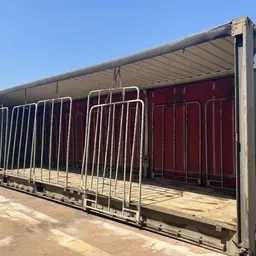
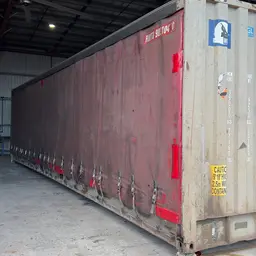
There's no physical difference for most general purpose containers - a 20ft or 40ft shipping container built to ISO standards is by definition intermodal, meaning it can move by sea, rail and road without repacking. The intermodal label is typically used when emphasising the container's use for active freight rather than static storage. Specific intermodal variants include flat racks, open tops and tank containers for cargo that doesn't fit a standard box.
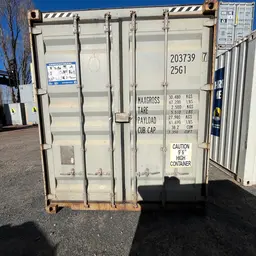
Standard intermodal freight containers come in 20ft and 40ft lengths, with both standard-height and high-cube versions available. 20ft containers carry the highest weight-per-volume ratio and suit dense cargo like machinery and bulk materials. 40ft containers suit lower-density, higher-volume cargo. Specialist intermodal containers include reefers for cold freight, flat racks for oversized loads and open tops for top-loaded cargo.
Oui. Intermodal containers built for international freight are constructed to ISO 668 dimensions, ISO 1496 structural requirements and CSC (Convention for Safe Containers) certified for sea freight. Containers being used for international shipping should carry a valid CSC plate, which certifies the container's structural fitness for ocean transport. Confirm the CSC certification status with our sales team if you're using the container for international freight.

Cherchez-vous à en acheter? Nous sommes là pour vous.
You may not see the item you are looking for.
Contact our team to discuss with a representative on 1800 874 473 or via the link below and they'll assist you.