FAQ sur les rouleaux à tambour
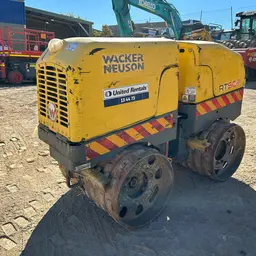
Drum rollers and other compaction equipment are used across construction and civil projects to compact subgrade soils, sub-base materials and asphalt to the required density. Choosing the right equipment comes down to the material being compacted, the lift thickness, ground conditions and the finish required. United Rentals supplies used drum rollers and other compaction equipment for sale across Sydney, Melbourne, Brisbane and regional locations, including smooth drum rollers, padfoot rollers, multi-tyre rollers and trench rollers from a range of trusted manufacturers. Learn more about rollers and compaction equipment in our FAQ section below.
Smooth drum rollers have a flat steel drum and are used for compacting granular materials, asphalt and finishing work where a smooth surface is required. Padfoot rollers have pads or feet on the drum, which penetrate and knead cohesive soils like clay, breaking up clods and compacting from the bottom up. The right choice depends on the material, ground conditions and the specific job application - granular and asphalt jobs typically require smooth drum rollers, while clay-heavy fill generally requires padfoot rollers.
The right equipment size depends on the area being compacted, the lift thickness, the material type and site access requirements. Smaller walk-behind and ride-on rollers suit footpaths, kerbs, trench work and small civil projects. Mid-sized rollers are commonly used for road sub-base, road base and general earthworks, while larger rollers are better suited to bulk civil projects, major roadworks and mining haul roads. Multi-tyre rollers are commonly used for asphalt compaction and surface sealing, while trench rollers are designed for confined trench and utility works. If you're unsure, our sales team can recommend suitable compaction equipment based on your project requirements.
A specific roller licence is not required in Australia. Rollers and most compaction equipment are classified as earthmoving plant, which doesn't require a high-risk work licence. Operators do need to demonstrate competency to use the machine safely and in line with the manufacturer's instructions. Most commercial sites also require a verification of competency (VOC) before you can operate on site, so always check your site's requirements before starting work.

Cherchez-vous à en acheter? Nous sommes là pour vous.
You may not see the item you are looking for.
Contact our team to discuss with a representative on 1800 874 473 or via the link below and they'll assist you.